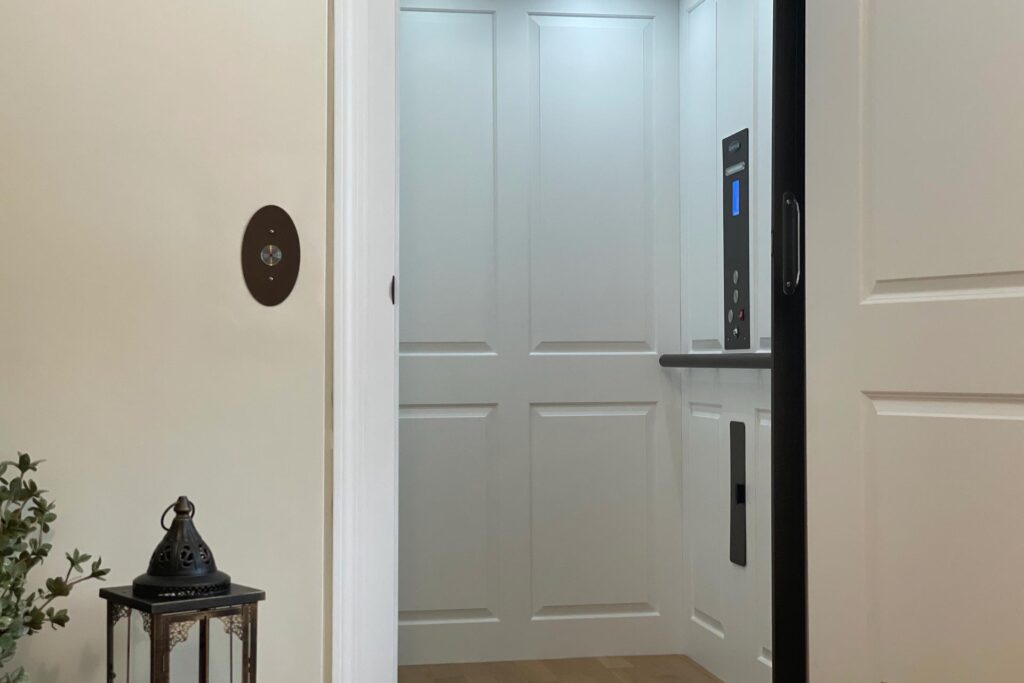
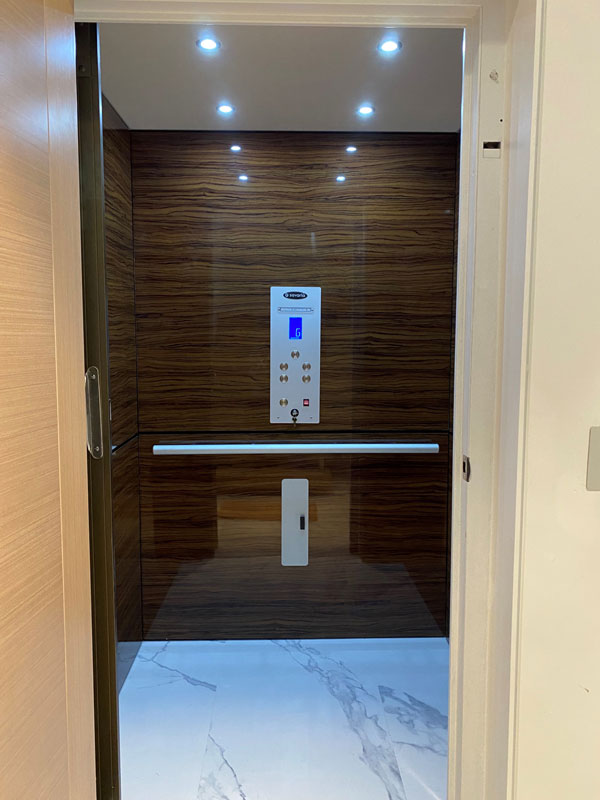
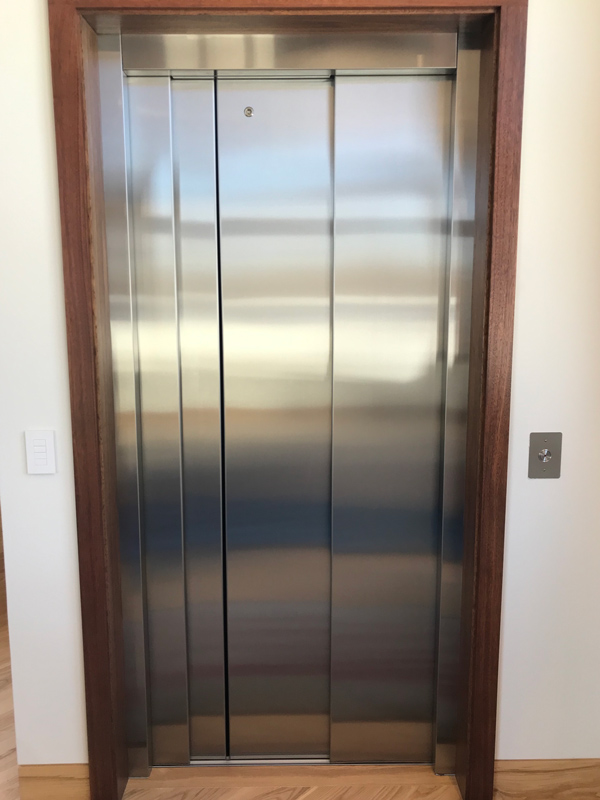
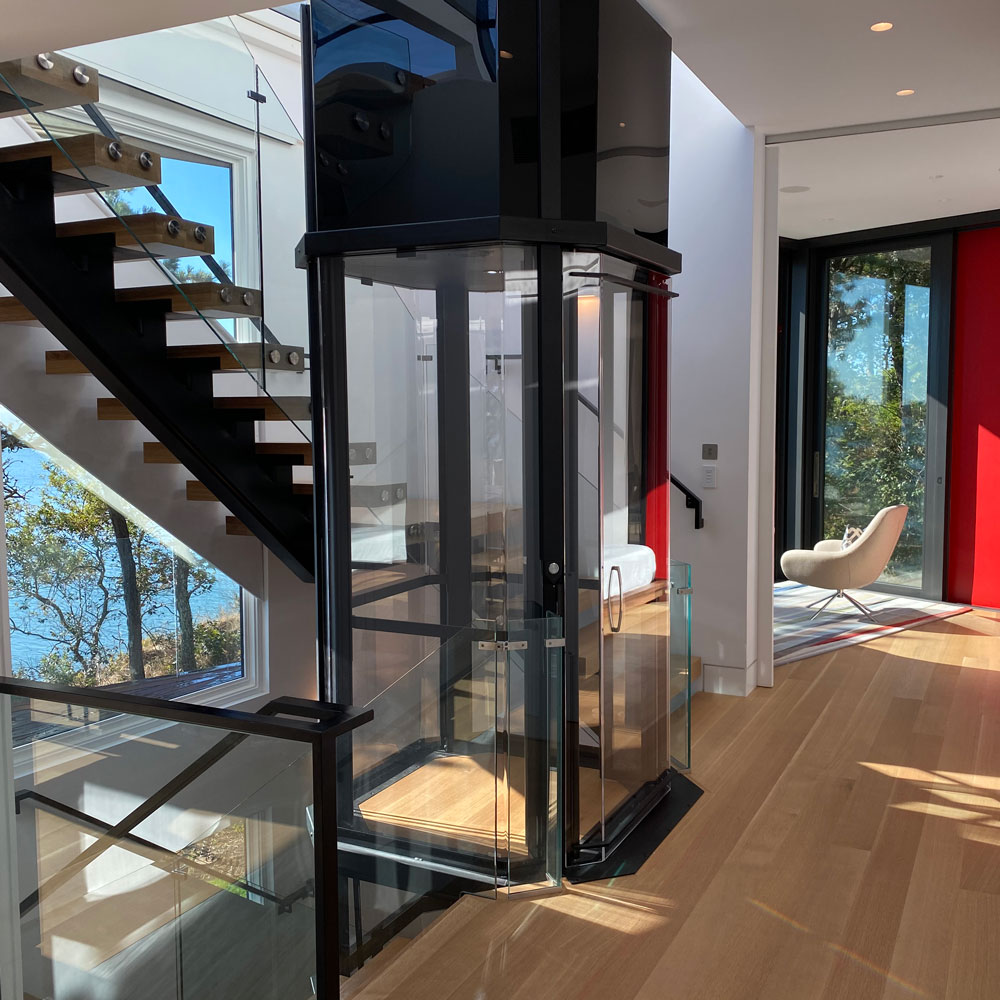
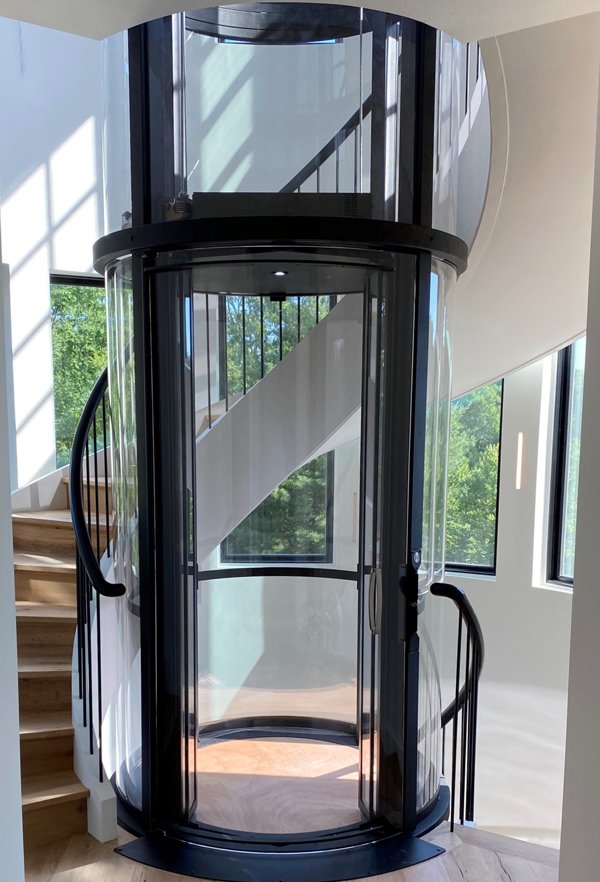
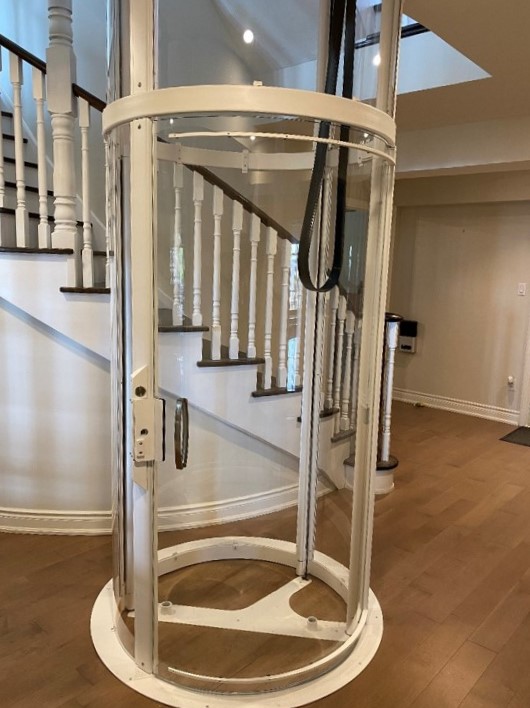
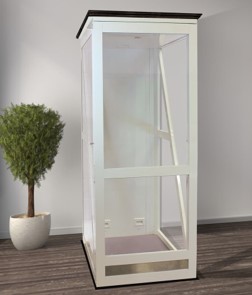
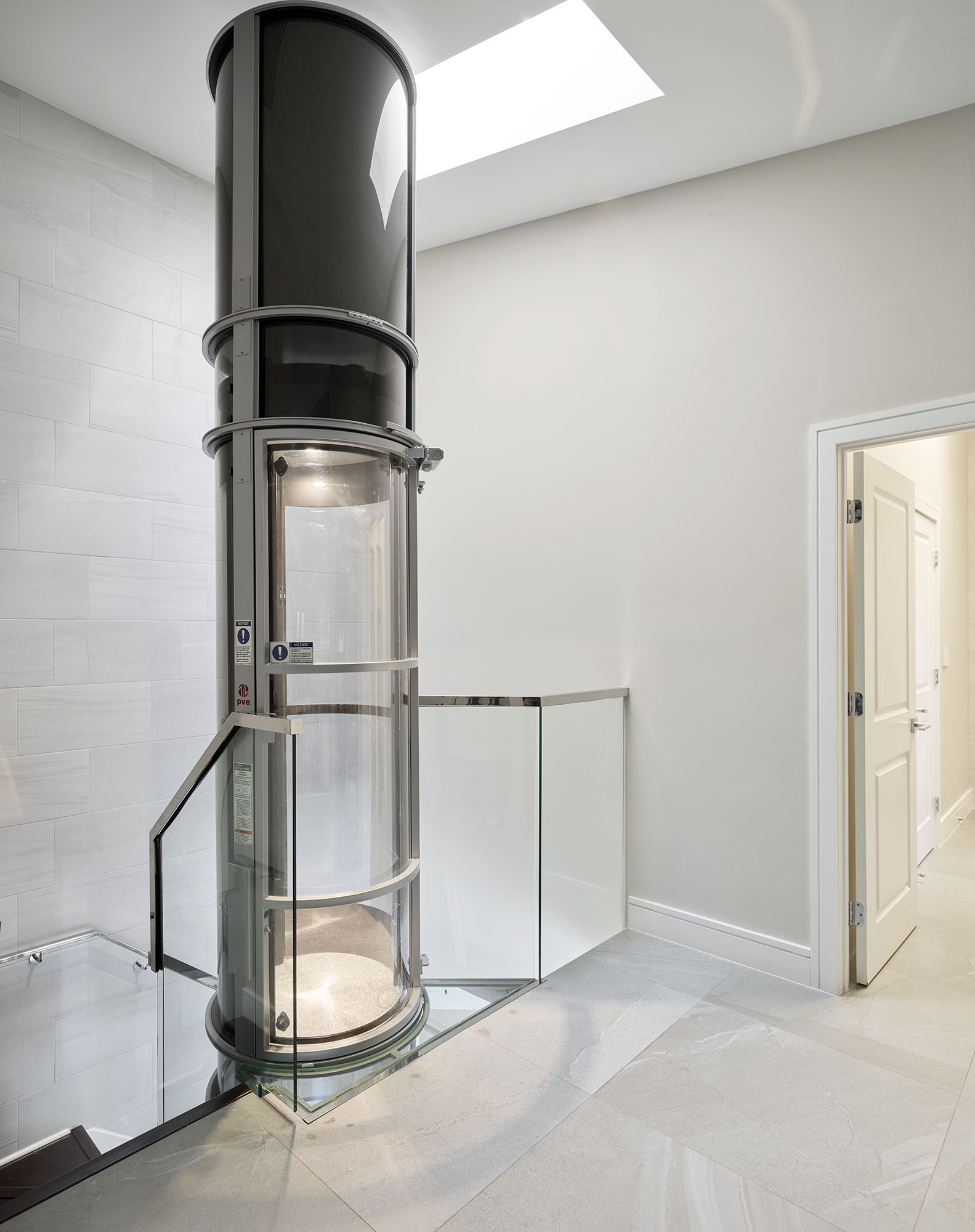
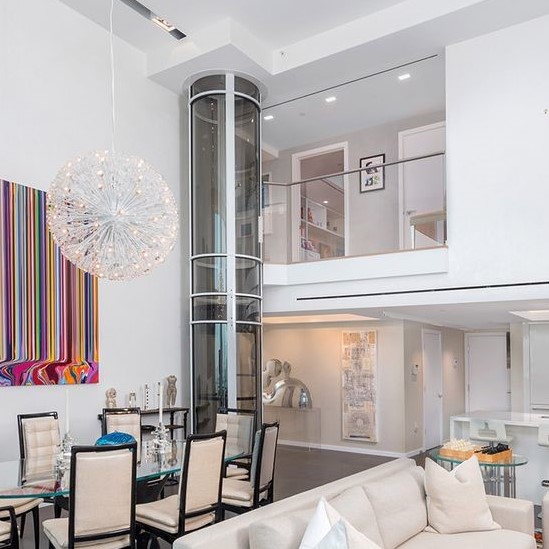
Artisan elevators go beyond standard models. Whether you are remodeling, building new or working with an unusual layout, the Artisan line is designed and built around your vision, from luxury estates to historic renovations.
Freedom Green Counterweight Elevator
Efficient and eco-conscious, the Freedom Green is one of our most popular home elevators.
Counterweight chain drive with a high-efficiency motor
Smooth ride with no hydraulic fluid
Fewer moving parts for lower maintenance
Available without a machine room where local codes allow
Freedom Hydro Hydraulic Home Elevator
The Freedom Hydro is a hydraulic home elevator designed for comfort and quiet running, a solid option for larger homes.
Needs only a 92 inch ceiling height
Compact pump system
Supports up to 1,400 lbs., depending on local code
Requires a small machine room
Freedom Elite Luxury Residential Elevator
The Freedom Elite is a luxury residential elevator for upscale homes.
Fully automatic side-sliding doors
Premium cab finishes
Customizable design options
Freedom Elite Video
Visi-48 Acrylic Home Elevator
Modern and transparent, the Visi-48 has acrylic panels in an octagonal cab and a small footprint.
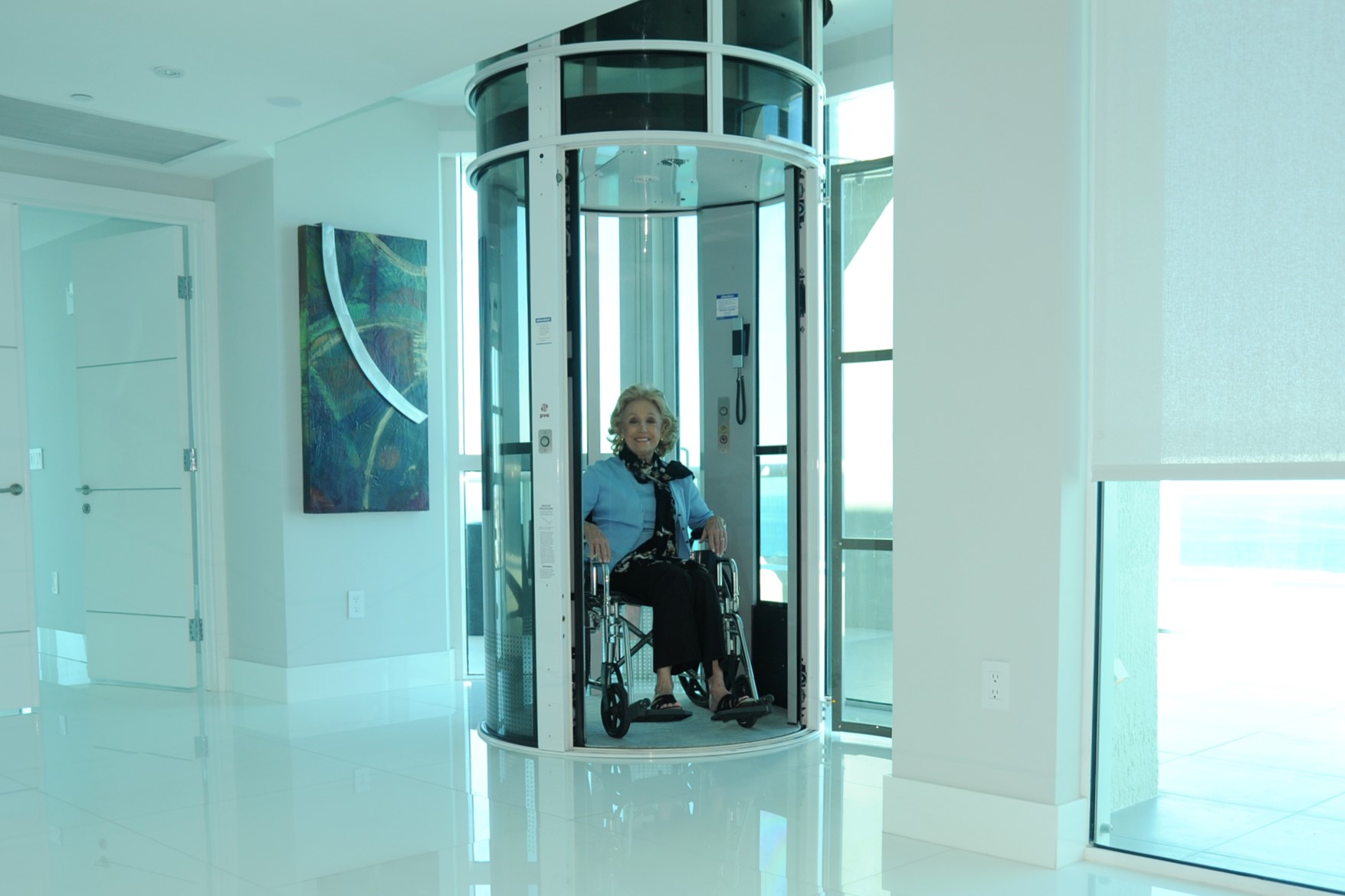
42 x 42 inch platform suited to wheelchair users
Lifts up to 840 lbs.
Needs only a 4 inch pit
Visi-58 Panoramic Home Elevator
The Visi-58 is a round panoramic home elevator that works as a centerpiece as well as a lift.
Smooth winding drum system
840 lb. capacity
Up to 50 feet of travel and 5 stops
Accommodates a standard wheelchair
Visi Mini Compact Elevator
The Visi Mini is a compact residential elevator for tight spaces, ideal for small homes and retrofits.
Holds up to 500 lbs.
Standing-only cab
Fits a radius under 50 inches
Needs only a 96 inch ceiling height
Vision EC Two-Stop Home Lift
The Vision EC is a fully enclosed, two-stop home lift installed through a simple floor cut-out, a popular choice for existing homes.
No pit, hoistway or machine room
Clear acrylic windows
Powder coated aluminum frame
845 lb. lift capacity
Vision 350 Pneumatic Elevator
The Vision 350 is the world’s smallest residential elevator, a good option for compact spaces and older layouts.
30 inch diameter
350 lb. capacity, single passenger
Pneumatic vacuum technology
No pit or machine room
Vision 450 Pneumatic Elevator
The Vision 450 is a two-passenger pneumatic elevator with flexible installation, well suited to retrofits.
450 lb. capacity
90 degree door configuration for easier layouts
No pit or machine room
Vision 550 Wheelchair Accessible Elevator
Need a wheelchair accessible elevator without major remodeling? The Vision 550 is the largest air-driven residential lift.
Supports up to 525 lbs.
Self-supporting structure
No pit or machine room
Quick to install
Artisan Custom Elevators
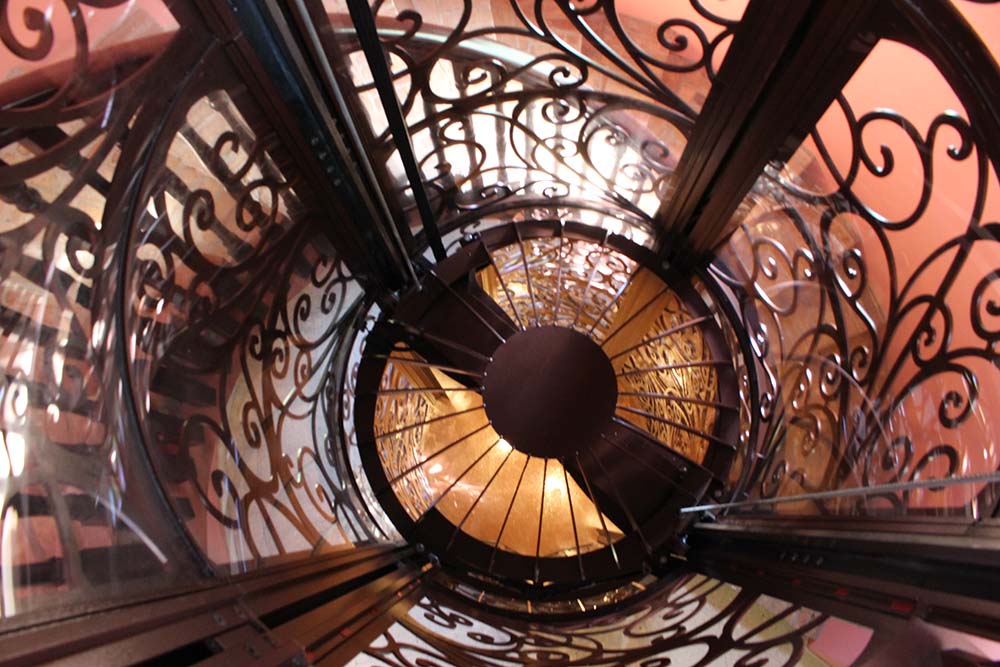
Artisan elevators are custom-built to match your style, layout and design preferences. Whether you want a vintage birdcage look, a glass panoramic enclosure or a one-of-a-kind cab to match your decor, we work with you to design it.
Home Elevators Built for Missouri and Kansas Houses
Your project starts with a free in-home assessment. We check the layout, recommend the models that suit it and put the price in writing before any work begins.
Choosing the Right Elevator Type
Classic elevator with the widest choice of cabs. Choose Freedom.
Little construction and a see-through cab. Choose Vision.
Less than most people expect. Pneumatic and through-floor models fit in a corner, and a traditional elevator often fits in a stack of closets. See how much space a home elevator needs for typical footprints.
Yes. Traditional and pneumatic elevators can stop at the basement, the main floor and the upper floor. A shaftless elevator serves two levels only.
Is a home elevator practical in a ranch-style house?
It can be. Many ranch homes have a finished basement, and an elevator or a stair lift makes that lower level usable for everyone.
How do I choose between the elevator types?
It comes down to how many floors you need to reach, the space available, who will ride and your budget. We go through each of these with you during the assessment.
Do home elevators use a lot of electricity?
No. Most residential elevators run on household electrical service and only draw power for the short time they are moving.